If you are house hunting in Suwanee, a pool and tennis courts can feel like a major bonus. But in many neighborhoods here, those amenities do more than add fun. They can shape your budget, your daily routine, and even the kind of home and lot you choose. That is why it helps to look past the brochure and compare the full lifestyle package before you buy. Let’s dive in.
Why swim and tennis matters in Suwanee
Suwanee offers a strong suburban lifestyle with a relatively newer housing stock. According to the city’s 2025 data update, housing units grew 38 percent from 2012 to 2023, and most of the housing stock was built after 2000.
The city also reports 544 acres of parkland. Major outdoor anchors include Town Center Park, Sims Lake Park, Suwanee Creek Greenway, and Suwanee Creek Park. That means private swim and tennis amenities are often an added layer of convenience and community, not the only way to enjoy outdoor recreation.
For many buyers, that changes the question. Instead of asking, “Does this neighborhood have a pool?” you may want to ask, “Is this private amenity package worth the dues, rules, and lifestyle tradeoffs for how I actually live?”
What buyers are really choosing
In Suwanee, swim and tennis communities often combine three things in one decision. You are choosing a home, a lifestyle setup, and a set of neighborhood rules.
That matters because two neighborhoods can offer similar square footage but feel very different in daily life. One may center around swim teams, league tennis, clubhouse events, and shared recreation. Another may offer a quieter setting with larger lots, wooded surroundings, and amenities that are used more casually.
If you are relocating or moving up within North Atlanta, this is where a side-by-side comparison becomes valuable. You are not only comparing finishes and floor plans. You are comparing how much recreation, structure, and social activity you want built into your week.
Common amenity packages in Suwanee
Suwanee-area communities show a wide range of swim and tennis setups. Some have simple core amenities, while others feel closer to a private club model.
Here are a few local examples buyers often compare:
- Berkshire includes an Olympic sized pool, tennis courts, a clubhouse for community and private events, a modern playground, and swim team activity.
- Ruby Forest offers a clubhouse, pool, and four lighted tennis courts. The community also notes league play options.
- Lansdowne has a pool, clubhouse event space, and two tennis courts, along with ALTA men’s and women’s teams.
- Suwanee Creek includes a pool, tennis courts, cabana, and playground.
- MorningBrooke highlights a pool, tennis courts, pavilion, playground, nature trail, off-leash dog area, and future pickleball plans.
- Glen at Grandview features a clubhouse, swim team, ALTA tennis tournaments, pool parties, hoops, and a playground.
These differences may sound small at first, but they can strongly influence how much value you feel you get from the neighborhood. A buyer who wants organized activities may prefer a community with teams and events. A buyer who just wants occasional pool access may not need the same level of programming.
HOA rules shape the ownership experience
One of the biggest surprises for buyers is that these amenities are privately run, not city-run. In Georgia, homeowners associations are privately funded by homeowners through association dues, and the city or county does not manage pool calendars, court reservations, or architectural approvals.
That means access and usage rules can vary a lot from one neighborhood to another. In some communities, membership is mandatory. In others, access may depend on good standing, guest rules, pool keys, or reservation systems.
This is one reason a swim and tennis neighborhood can feel either easy and convenient or more structured than expected. The amenities may look similar on paper, but the day-to-day experience depends on the rules behind them.
Access is not always unlimited
Many buyers assume that if a neighborhood has a pool or tennis courts, you can use them anytime. In reality, some Suwanee-area communities place limits on how and when owners can use those amenities.
Ruby Forest restricts pool use to full HOA members and their guests, and court reservations are required. Lansdowne uses reservations for the clubhouse and tennis courts. Suwanee Creek has separate reservation workflows for pool and tennis use, and Deer Valley requires a valid pool key to enter the pool area.
If amenities are high on your wish list, this is worth reviewing early. You want to know not just whether the neighborhood has the feature, but how easy it is to enjoy it in real life.
Architectural control matters more than many buyers expect
In some swim and tennis communities, the association also plays a larger role in exterior changes. That can include approvals for projects such as paint colors, fencing, additions, landscaping changes, or other visible updates.
Glencree requires approval before exterior alterations and states that unapproved work can trigger fines. Berkshire and Suwanee Creek also maintain architecture-control or change-request processes for owners.
For some buyers, this structure helps preserve a consistent neighborhood look. For others, it may feel restrictive. The right fit depends on how much flexibility you want after closing.
What dues may cover
Association dues are a major part of the value equation in a swim and tennis community. Buyers often focus on the monthly or annual number first, but the better question is what that number supports.
In local examples, assessments can help pay for common-area maintenance, pool upkeep, tennis courts, playgrounds, and lighting. That can make ownership feel more turnkey, especially if you value shared upkeep and neighborhood amenities.
Still, not every buyer uses those features equally. If you rarely swim, do not play tennis, and prefer city parks and trails, the dues may feel less worthwhile than they do for someone who uses the amenities every week.
Watch for extra costs
Beyond regular dues, some communities may have other charges tied to ownership or closing. Glencree lists a transfer fee due at closing, for example.
Georgia consumer guidance also notes that if a homeowner falls behind on association fees, the HOA can place a lien on the home. That is one more reason to review the financial side of the community carefully before you commit.
Home style and lot size can vary widely
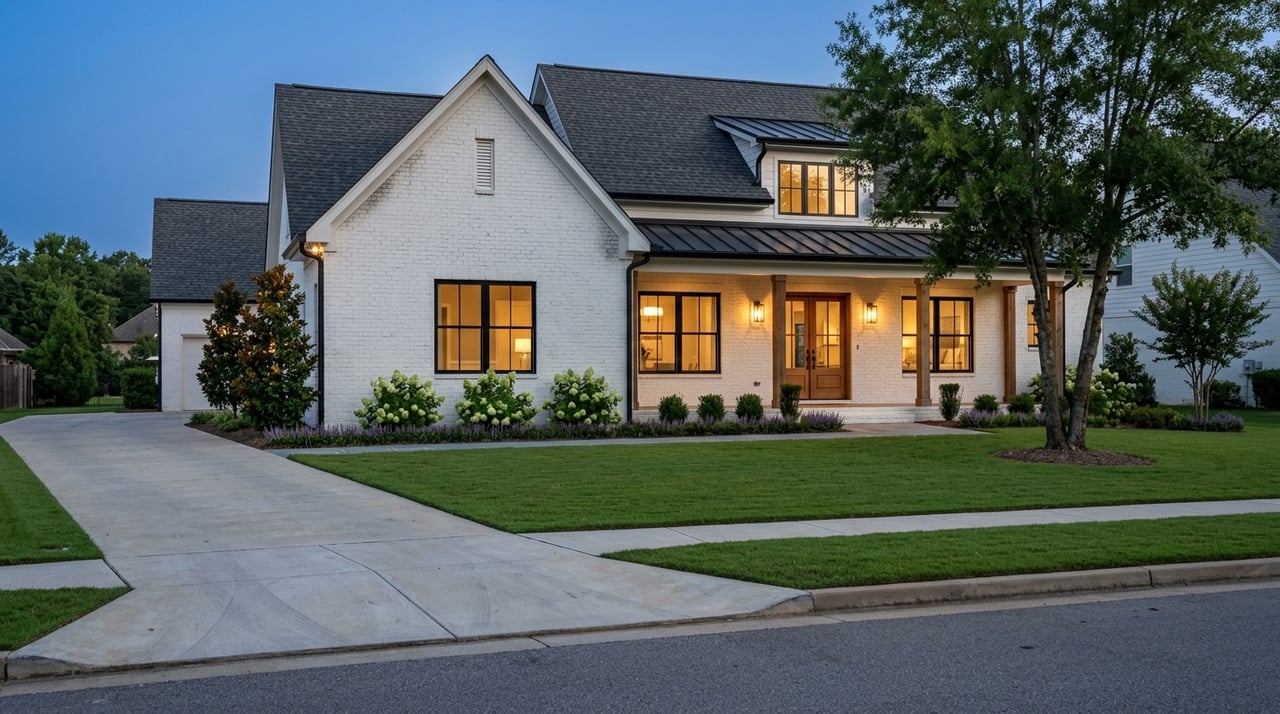
Suwanee’s swim and tennis communities are not one-size-fits-all. Some lean more traditional and amenity-forward, while others pair private amenities with larger lots and a more wooded feel.
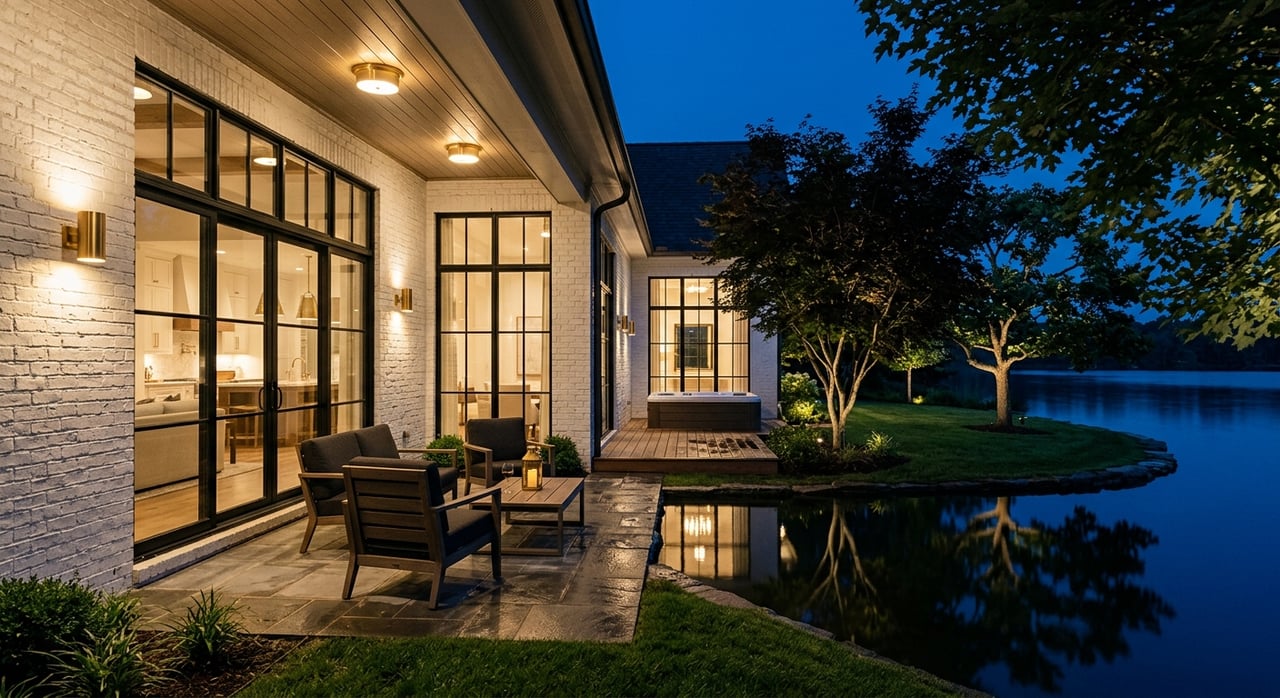
Glencree represents a more estate-like option, with half-acre to one-acre lots and homes with 3 to 5 bedroom floor plans. MorningBrooke emphasizes large lots and wooded terrain, while Martins Farm highlights a wooded setting and trail access connecting to the Suwanee Creek/Richard Trice Trail and George Pierce Park.
These examples suggest that your choice is rarely just “amenities or no amenities.” More often, it is about how amenities fit together with privacy, lot size, natural setting, and home style.
How to decide if it fits your lifestyle
The best Suwanee neighborhood for you depends on how you want your week to work. If you want built-in summer routines, easy after-school recreation, and chances to gather with neighbors, a stronger swim and tennis package may feel like a real quality-of-life upgrade.
If you prefer quieter surroundings or already expect to spend most of your outdoor time at city parks, greenways, and trails, you may decide that a simpler setup works better. Suwanee gives you both options, which is part of its appeal.
A helpful way to narrow your search is to think in terms of lifestyle categories:
- Club-style living: stronger activity calendar, team sports, reservations, and social amenities
- Balance of both: private amenities plus access to Suwanee’s larger public parks and trails
- Quieter setting: larger lots, wooded surroundings, and lighter amenity dependence
Smart questions to ask before you buy
Before you make an offer in a Suwanee swim and tennis community, try to get clear answers to a few practical questions.
- Are HOA membership and dues mandatory?
- What do the dues currently cover?
- Are there transfer fees or other closing charges?
- Are pool, tennis, or clubhouse reservations required?
- Is amenity access limited to members in good standing?
- Are there seasonal pool schedules or key-entry rules?
- What exterior changes require approval?
- How active is the community around teams, events, or organized recreation?
These answers can help you avoid surprises and make a more confident choice. They also give you a better way to compare communities that may look similar online.
Why this decision matters in Suwanee
In Suwanee, swim and tennis communities can absolutely shape home choices, but usually not for just one reason. They influence how buyers weigh convenience, cost, neighborhood structure, and the overall feel of the home search.
Because Suwanee also offers strong public recreation through its parks and greenways, private amenities are often a preference choice rather than a necessity. For some buyers, that private neighborhood setup is worth every dollar. For others, the better fit may be a home that offers more privacy or a different lot style without the same level of HOA involvement.
The key is to match the neighborhood to your real routine, not just the feature list. When you do that, you are far more likely to choose a Suwanee home that feels right long after move-in day.
If you want help comparing Suwanee neighborhoods with a clear eye on amenities, rules, lot style, and long-term value, Joan Hertz can help you sort through the details and find the right fit for your goals.
FAQs
What makes swim and tennis communities in Suwanee different from other neighborhoods?
- In Suwanee, these communities often combine private amenities, HOA governance, and specific home styles, so you are choosing both a property and a lifestyle structure.
What do HOA dues usually cover in Suwanee swim and tennis communities?
- In local examples, dues may support common-area maintenance, pool upkeep, tennis courts, playgrounds, and lighting.
Can you use Suwanee neighborhood pools and tennis courts anytime?
- Not always. Some communities require reservations, key access, member status, or good standing before you can use certain amenities.
Do Suwanee swim and tennis neighborhoods have strict exterior rules?
- Some do. Certain communities require approval before exterior changes, and unapproved work can lead to fines.
Are Suwanee swim and tennis communities a good fit if you already use city parks?
- They can be, but it depends on your lifestyle. Since Suwanee already has major parks and greenways, some buyers prefer public recreation while others want the convenience of private neighborhood amenities.