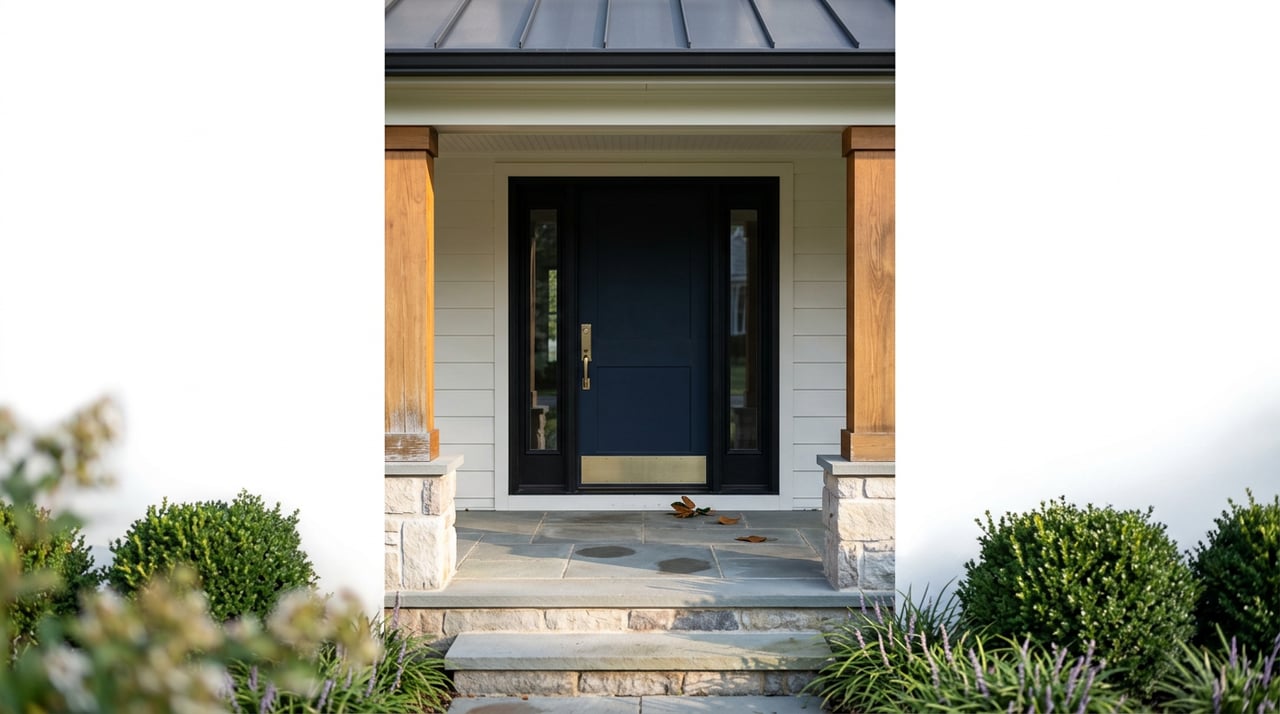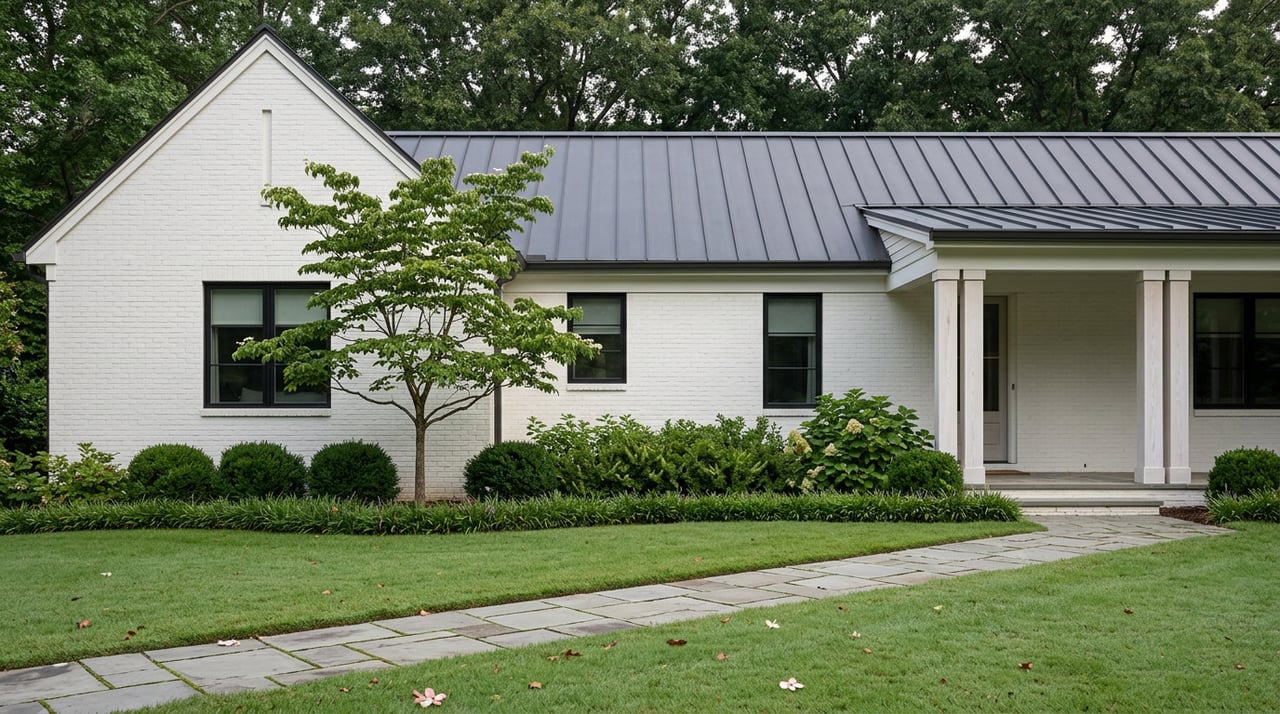
Walk two blocks off Canton Street and you can find a hundred-year-old cottage with a wraparound porch that needs city approval before its owner can repaint the trim. Walk fifteen minutes further, into Edenwilde or Brookfield Country Club, and you'll find a home built the same decade, with the same aging pipes and the same red clay pushing against its foundation, that answers to no design commission at all. Both houses feel old. Only one of them is legally historic. That distinction, not the charm of either porch, determines what a buyer or owner can do to the house, what it costs to do it, and whether the state will help pay for it.
Most guides to buying in Roswell treat "historic" as a marketing word, a synonym for character. It isn't. It's a specific designation tied to a 640-acre area added to the National Register of Historic Places in 1974, built around Greek Revival architecture and the kind of community planning that produced landmarks like Bulloch Hall and Barrington Hall, both dating to the 1830s and 1840s. Whether your address sits inside that mapped boundary, and whether your specific structure is formally recognized as contributing to it, changes two things at once: what you're allowed to do to the exterior, and what the state of Georgia is willing to give you back for doing it well.
What the Historic Preservation Commission Actually Reviews
Inside the district, the Roswell Historic Preservation Commission has authority over any external material change to a property. That includes new construction, any change to the exterior architectural appearance of an existing building, demolition or moving of structures, and changes to external environmental features. The commission is made up of citizen volunteers, most with a background in history or architecture, and their approval is required before the work starts, not after.
This matters at the offer stage, not the renovation stage. A buyer who falls for a fixer-upper near Canton Street and plans to swap out windows or add a rear addition the way they would on any other resale property may find that plan slows down considerably once the commission gets involved. The city's own guidance draws a clean line: interior work generally isn't reviewed, exterior work generally is, regardless of how minor it feels to the homeowner.
The Neighborhoods That Feel Historic But Aren't
Roswell's other established communities, places like Steeplechase, Horseshoe Bend, Edenwilde, Brookfield Country Club, and Martin's Landing, are frequently described in the same breath as "historic Roswell" because they share its mature trees and older housing stock. But these are separate, later-built neighborhoods sitting outside the 640-acre mapped district. A house in Edenwilde built in 1985 answers to none of the commission's exterior review requirements. It also, and this is the part that surprises owners more often, doesn't qualify for the state's historic rehabilitation tax incentives, because those programs require a property to be listed in or eligible for the National or Georgia Register, either individually or as part of a recognized historic district.
So you end up with two very different kinds of Roswell homeowner. One has design constraints and potential tax benefits. The other has neither. Knowing which one you're buying into, before you write an offer that assumes either, is the actual due diligence question, more than whatever the listing photos suggest.
The Tax Credit That Almost Didn't Survive This Year
If you're the buyer who does qualify, the incentive picture just went through more turbulence than most people realize. In February 2026, the Georgia Trust for Historic Preservation warned that the state's Historic Rehabilitation Tax Credit program was, in their words, effectively dead for projects already in the pipeline without action from the General Assembly. That's a program that had driven roughly $800 million in private investment across the state over the prior five years alone. Rather than lapsing, it got a legislative rescue: House Bill 376, sponsored by Rep. Scott Hilton and carried through the Senate by Sen. Mike Hodges, passed the Georgia House 161 to 9 in early March and the Senate 46 to 2 a couple of weeks later, extending the credit's availability through 2029.
The upshot for anyone budgeting a Roswell rehab right now: the program exists again, but it exists on a timeline that only became stable this spring. Advice you received last year, or even a real estate blog post written before March, may reflect a credit that was in the process of disappearing.
Here's what the current programs actually offer, and when they apply:
| Program | What it does | Key dates or caps |
|---|---|---|
| State Income Tax Credit | 25% of qualifying rehabilitation expenses | Capped at $100,000 for owner-occupied residential properties |
| State Preferential Property Tax Assessment | Freezes county property tax assessment | Roughly eight and a half years, requires fair market value to rise 50 to 100 percent depending on new use |
| Historic Home Tax Credit (new program) | Extends state credit access to owner-occupied homes locally designated or contributing to a local district | Applications accepted starting October 1, 2025; rehab work cannot begin before January 1, 2026 |
| Federal 20% Rehabilitation Credit | Applies to certified historic structures | Generally limited to income-producing properties, so it usually does not help a typical owner-occupant |
Notice the sequencing on that third row. A homeowner who started rehab work in late 2025, assuming the new Historic Home Tax Credit applied immediately, would have jeopardized their own eligibility. The application window opened before the construction window did, on purpose, so the state could review projects before ground was broken.
What This Means for Your Inspection, Not Just Your Paperwork
The designation question shapes your approval process. The construction era shapes your inspection. These are separate risks, and a buyer who only prepares for one is exposed on the other.
Homes built between 1978 and 1995, historic district or not, commonly used gray plastic polybutylene pipe, identifiable near water heaters, under sinks, or in the attic, and it's a leading candidate for full or partial repiping with modern PEX tubing. Move closer to the historic core, and the era shifts back further. Homes near Canton Street more often carry galvanized steel supply lines that, after 40 to 50 years, develop interior rust buildup that restricts flow and discolors hot water, alongside cast iron or clay sewer lines well past their designed service life.
Underneath all of it sits Roswell's red clay, which expands when saturated and contracts when dry, creating soil movement that stresses buried water lines regardless of the home's official designation. A soft wet patch in the yard, a sudden spike in the water bill, or a drop in pressure after a heavy rain cycle are the practical signs of a line under that kind of stress, and they show up in 1970s subdivisions as readily as they do a block from Bulloch Hall. Newer construction along the Highway 140 corridor faces close to the opposite problem, with pressure and expansion tank issues tied to changes in municipal supply rather than pipe age.
None of this is a reason to avoid an older Roswell home. It's a reason to ask a home inspector to look at the house you're actually buying, not the era it evokes.
The Line Worth Checking Before You Write an Offer
Before you fall in love with a porch, ask two separate questions. Is this address inside the mapped 640-acre Historic District, and is the structure itself recognized as contributing or locally designated. The answers determine whether you're buying design review along with the charm, whether you have access to a tax credit program that only just survived its own legislative session, and how urgently you'll want a plumber's eyes on what's behind the walls. A house can be genuinely old without being legally historic, and the difference shows up on your closing statement long before it shows up on a historical marker.
A Few Questions Worth Asking Directly
Does the Historic Preservation Commission review interior renovations too? No. The commission's authority covers external material changes, including new construction, exterior architectural alterations, demolition, relocation, and changes to external environmental features. Interior work generally falls outside its scope.
If my home isn't in the historic district, is there any path to the tax credit? Not currently. Eligibility requires the property to be listed in or eligible for the National or Georgia Register, either individually or as part of a recognized district, or, for the newer Historic Home Tax Credit specifically, to be locally designated or a contributing structure within a local district.
Since HB 376 passed, is the tax credit fully settled going forward? The bill extends the credit's availability through 2029, which resolves the immediate crisis the Georgia Trust flagged in February 2026. Programs like this can still change in future legislative sessions, so anyone planning a multi-year rehabilitation should confirm current status before finalizing a budget.
Roswell rewards buyers who ask the right question before the offer, not after the inspection. If you're weighing a historic property against one of the city's other established neighborhoods, or trying to figure out which incentives actually apply to a specific address, Savvy Realty Group can walk the district lines with you and help you budget for the house you're really buying. Contact us before you write the offer, not after.