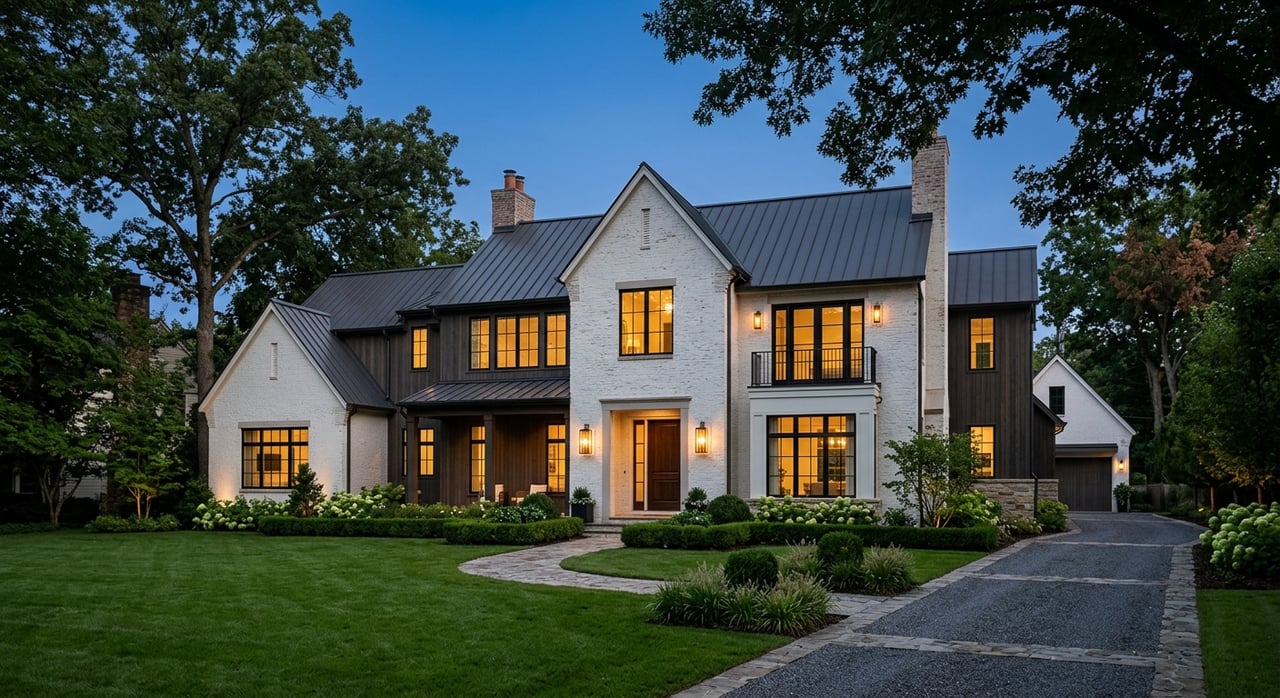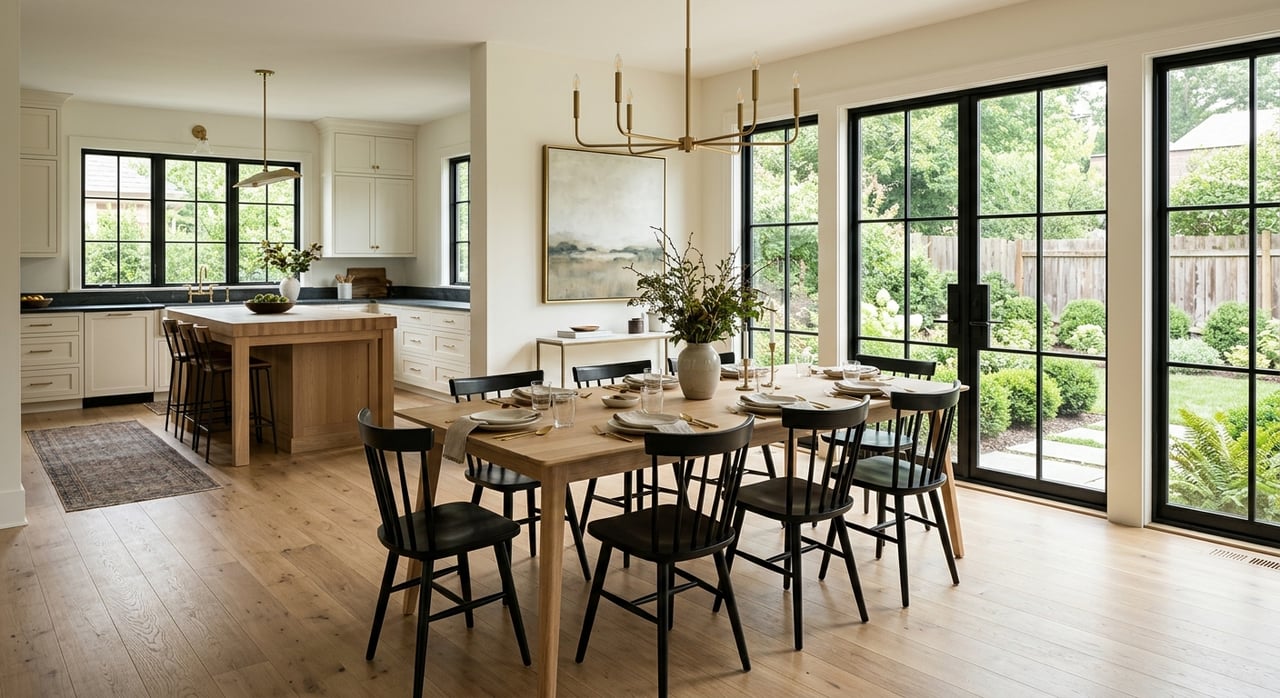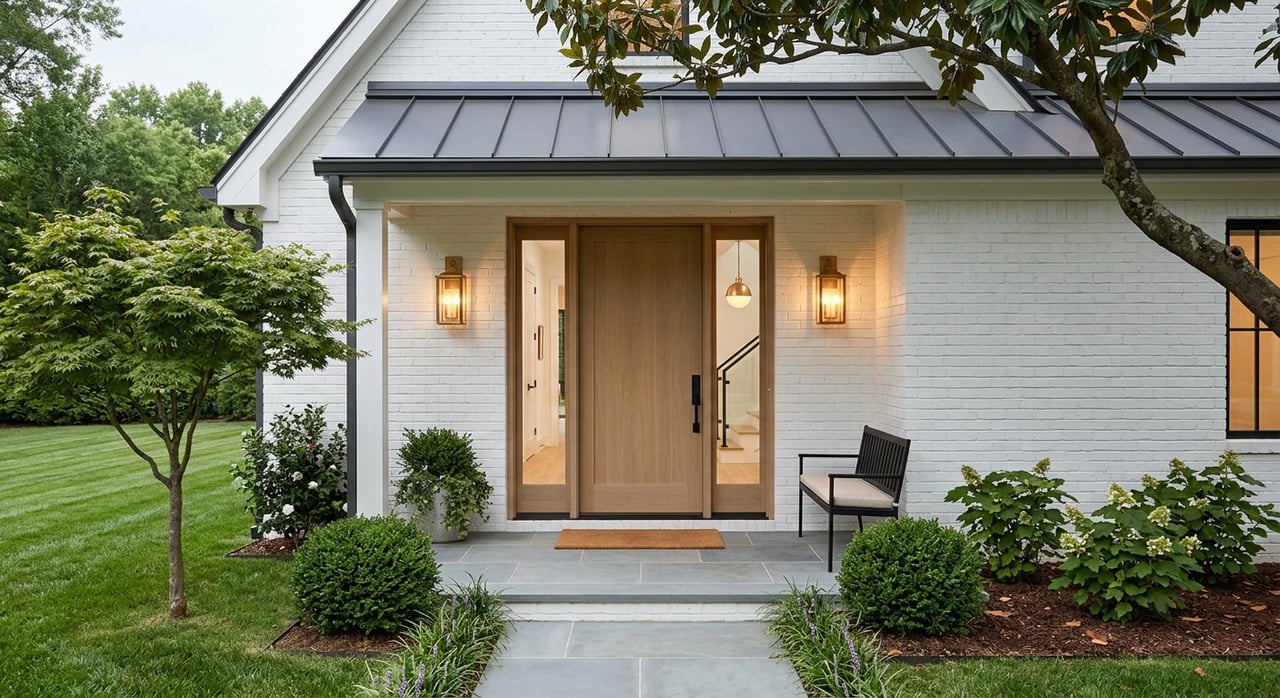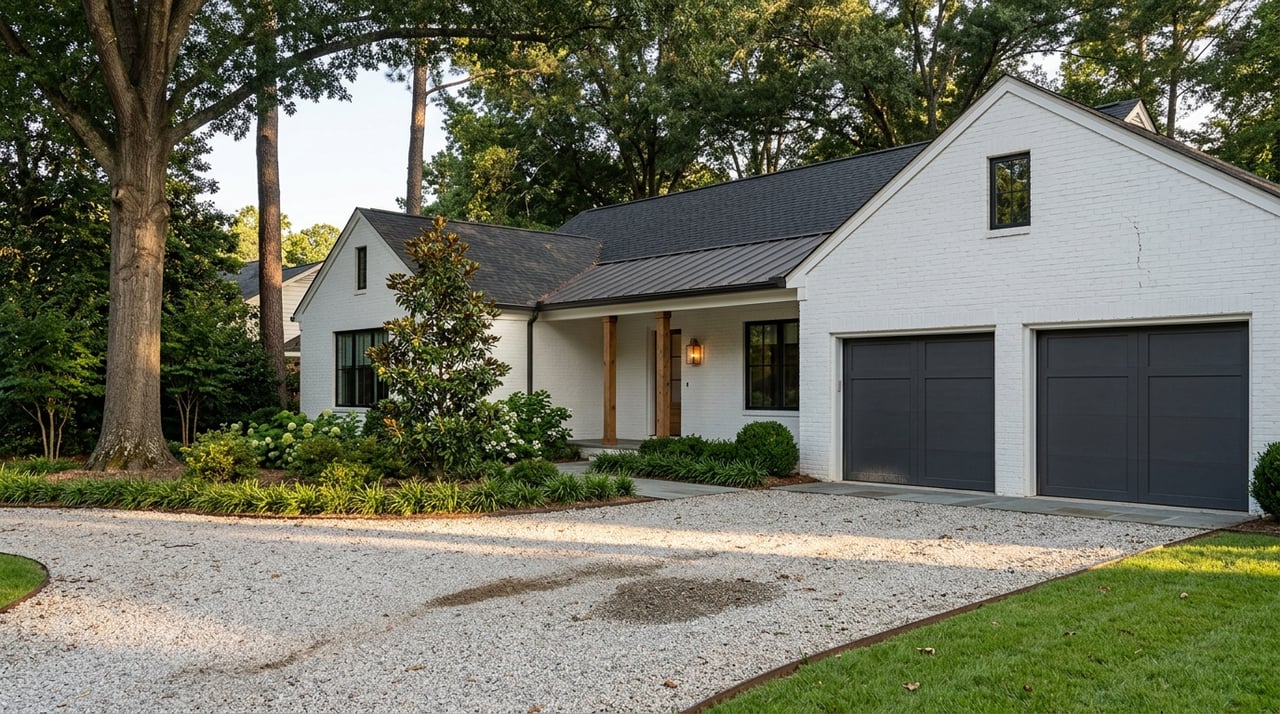
If you want more than a postage-stamp yard and a crowded suburban feel, Milton tends to stand out fast. This is a place where space is part of the city’s design, not just a selling point, and that changes how daily life feels. If you are wondering whether Milton estate living is really about privacy, room to breathe, and a calmer pace, the answer is rooted in how the city has grown. Let’s dive in.
Why Milton Feels So Different
Milton describes itself as “rural but not remote,” and that phrase helps explain its appeal. While it is part of North Fulton and connected to the broader Atlanta area, the city has intentionally held onto a more open, low-density pattern of development. That gives many parts of Milton a noticeably different feel than a typical inner-ring suburb.
A big reason is land use. According to the city, about 85% of Milton’s more than 39 square miles are agriculturally zoned, and residential lots in those areas must be at least 1 acre. Census data also shows a population density of 1,072.8 people per square mile across 38.49 square miles, which helps explain why the city feels more spread out.
Space Starts With the Land
In Milton, estate living is closely tied to lot size. Larger parcels create more separation between homes, more room for landscaping, and more flexibility for features like long driveways, fencing, and outdoor living areas. That sense of openness is one of the clearest reasons buyers are drawn here.
The city has also worked to preserve that pattern. Milton’s comprehensive planning specifically highlights larger lots, scenic areas, woodlands, and gravel roads as part of the city’s identity. It has even emphasized the value of parcels that are 3 acres or larger because they help protect rural heritage, scenic views, and the community’s overall character.
That matters if you are comparing Milton to other North Atlanta options. In many suburbs, density increases over time as land is divided and redeveloped. In Milton, city policy has continued to support the larger-lot structure that makes estate living possible.
Privacy Is Built Into the Setting
Privacy in Milton is not just about trees or fences. It comes from the way homes are spaced, the way roads move through the landscape, and the amount of land that separates one property from another. That creates a quieter visual and physical experience for many homeowners.
Milton’s history helps explain why. The city notes that much of the area historically relied on septic systems, which required parcels of 1 acre or more. Over time, that pattern helped preserve a more rural look and feel, with homes sitting farther apart than in a conventional subdivision setting.
For many buyers, that translates into a very practical lifestyle benefit. You may have more room for outdoor entertaining, a pool, a detached garage, gardens, or simply a more peaceful backyard experience. The exact setup varies by property, but the underlying appeal is the same: more breathing room.
Equestrian Culture Still Shapes Milton
Milton’s estate identity is also tied to its equestrian roots. The city says it has long had a strong and proud equestrian community, and that influence is still visible across the local landscape. Horse farms, fenced pastures, and riding-oriented properties are part of what gives Milton its distinct character.
This is not a small or symbolic feature of the area. In 2024, Milton reported that a city-backed farm census found more than 200 active horse farms around the city. Those farms are spread throughout Milton rather than limited to one pocket, which means the equestrian presence helps shape the broader look and feel of the community.
The city also supports that identity through public space. Milton has highlighted equestrian-friendly park features such as pasture-like greenspace, tree-lined trails, horse-trailer parking, and improvements at Birmingham Park. Even if you do not own horses, that setting contributes to the scenic, relaxed atmosphere many buyers want.
The Pace Is Relaxed, Not Isolated
One reason Milton appeals to move-up and luxury buyers is that it offers a quieter pace without cutting you off from everyday needs. The city borders Alpharetta and Roswell, and its official profile points to access to shops, restaurants, and other daily conveniences while still preserving its rural heritage. That balance is a major part of the draw.
Still, it helps to view Milton clearly. This is not an ultra-urban, highly walkable market built around short trips and dense convenience. It is better suited to buyers who value home and land first, and who are comfortable with a lifestyle that depends more on driving.
Census QuickFacts reports a mean travel time to work of 28.0 minutes. Milton also notes that Highway 9 is the backbone of its main commercial area, and roadway improvements in the area are ongoing. In plain terms, connectivity is there, but your day-to-day experience can depend heavily on corridor traffic and timing.
What Estate Living Looks Like Day to Day
If you are considering Milton, it helps to think beyond the idea of a larger house. Estate living here is often about how the property functions and how you want to spend your time. The home may be a centerpiece, but the land is a real part of the lifestyle.
For some buyers, that means room for outdoor gatherings, a future pool, or a detached structure. For others, it means privacy, tree cover, open views, or simply less visual congestion. In Milton, those benefits are often tied directly to the lot itself.
There are tradeoffs, too. Larger lots can mean more upkeep, whether that involves lawn care, long driveways, mature trees, fencing, or other exterior maintenance. If you are considering a horse-ready or more land-intensive property, that maintenance picture can expand even more.
Who Milton Estate Living Fits Best
Milton often makes the most sense for buyers who are actively prioritizing space, privacy, and a slower-feeling environment. It can be especially appealing if you want a home that feels more tucked away while still staying connected to North Atlanta. Buyers who work hybrid or remote may also find that the extra land and quieter setting add meaningful quality to daily life.
It can also be a strong fit if you value scenic surroundings and want a property with long-term lifestyle flexibility. Extra acreage can create room for outdoor amenities, future improvements, or simply a more comfortable sense of separation. That is a big part of why Milton continues to attract move-up and upper-end buyers.
On the other hand, Milton may be less ideal if you want dense walkability, a very short commute, or minimal exterior maintenance. None of those priorities are wrong. They simply point to a different kind of market than the one Milton is designed to offer.
Milton’s Market Profile Adds Context
Milton’s housing profile helps explain why the city is often associated with move-up and luxury buying. Census QuickFacts shows a 72.5% owner-occupied housing unit rate, a median owner-occupied home value of $789,000, and a median monthly owner cost of $3,176 for owners with a mortgage. The city’s median household income is reported at $171,295.
Those numbers do not define every property, but they do provide context. Milton is not typically viewed as a starter-home market first. Instead, it tends to attract buyers who are looking for space, quality, and a more elevated ownership experience.
How to Think About Your Search
If Milton is on your list, it helps to search with the lifestyle in mind, not just square footage. Two homes with similar interior size can live very differently depending on lot shape, topography, privacy, driveway length, tree coverage, and the surrounding road pattern. In a market like this, the land deserves just as much attention as the house.
You will also want to think carefully about your tolerance for maintenance and drive time. For some buyers, those are easy tradeoffs for more privacy and a calmer setting. For others, a lower-maintenance property in a denser location may be the better fit.
The key is clarity. When you understand what Milton is designed to offer, it becomes much easier to decide whether estate living here matches the way you want to live.
If you are exploring Milton and want experienced guidance on luxury homes, move-up opportunities, or the differences between resale and new construction in North Atlanta, Joan Hertz can help you evaluate the options with clear, thoughtful advice.
FAQs
What is typical lot size in Milton, Georgia?
- In Milton’s agriculturally zoned areas, residential lots must be at least 1 acre, and the city has also emphasized the value of larger parcels, including lots of 3 acres or more.
Is Milton, GA still known for horse properties?
- Yes. Milton says it has a strong equestrian community, and a 2024 city-backed farm census found more than 200 active horse farms around the city.
Is Milton convenient for commuting to the Atlanta area?
- Milton is connected to the broader region, but commute convenience depends on your route and timing. Census QuickFacts reports a mean travel time to work of 28.0 minutes, and major roadway improvements are still in progress.
What are the tradeoffs of estate living in Milton?
- The main tradeoffs are typically more exterior upkeep and more reliance on driving, in exchange for more land, privacy, and a quieter setting.
Who is Milton estate living best suited for?
- It is often a strong fit for buyers who want space, privacy, scenic surroundings, and a more relaxed pace, especially those comfortable with a lower-density, drive-dependent lifestyle.